
R26.5 Million Historical Debt Funding and Bursaries for Social and Applied Human Sciences Students
The Schools of Applied Human Sciences and Social Sciences have secured a massive R26.5 million in funding (R14.5 million to clear students’ historical debt and R12 million for bursaries).
The funding emerged from a Memorandum of Understanding (MoU) signed in December 2022 between UKZN and the Safety and Security, Sector Education & Training Authority (SASSETA). This is a collaboration between a multidisciplinary team of academics from the disciplines of Criminology and Forensic Studies; Anthropology and Sociology and SASSETA.
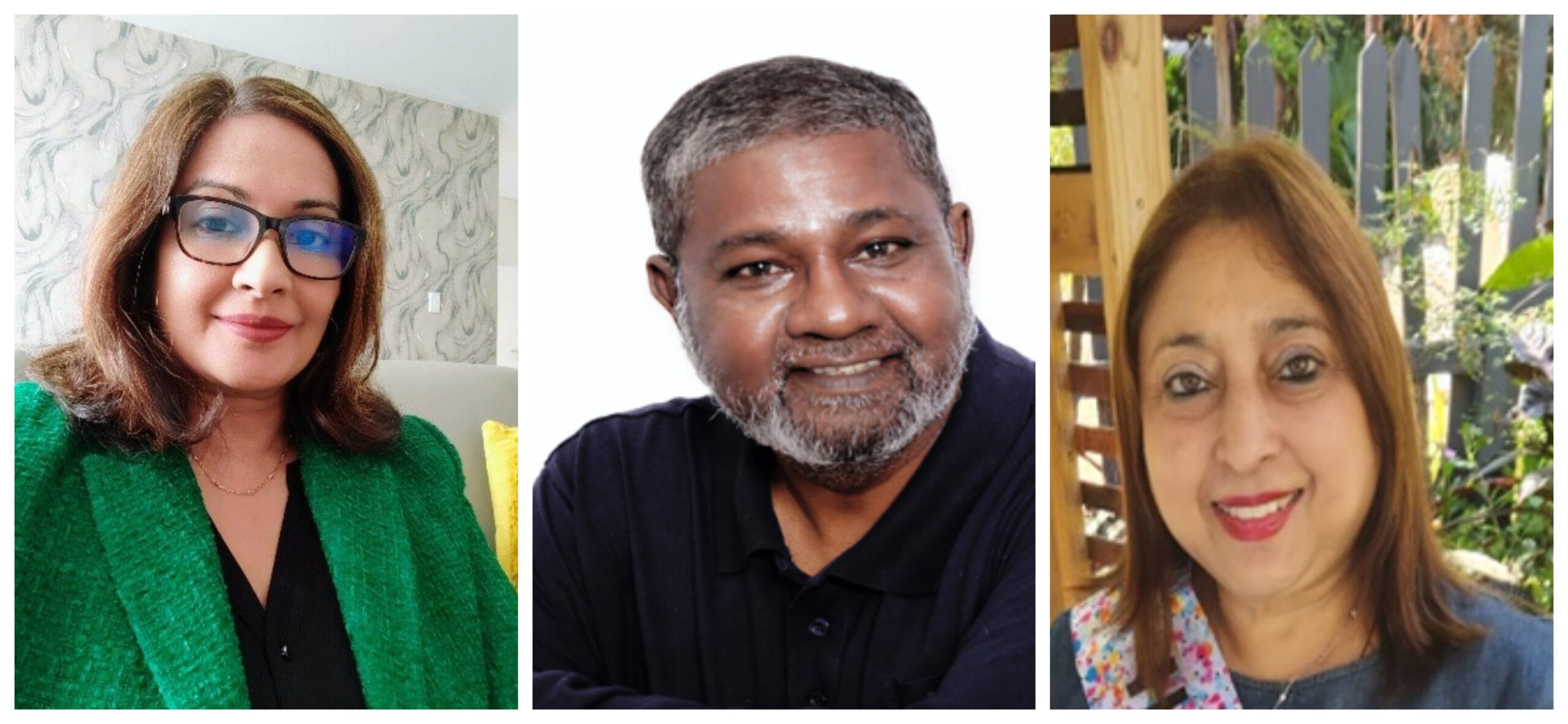
The lead facilitators from UKZN include Professor Shanta Balgobind Singh, Dr Gerelene Jagganath and Professor Sultan Khan. The management team of Ms Linda Nxumalo and Ms Juwayria Amod, together with the SASSETA team, are facilitating bursary funding for postgraduate students in their respective disciplines.
As part of the MoU agreement, students experiencing historical debt challenges will also be funded. ‘This is a momentous accomplishment for the institutions involved as it will bring much-needed support for student beneficiaries. Historical debt has been a burning issue for many years and the UKZN/SASSETA MoU serves to address a critical funding problem faced by a multitude of disadvantaged students,’ said Mr Balgobind Singh.
The lead facilitators worked tirelessly with the deans of the schools Professor Matshepo Matoane (School of Applied Human Sciences) and Professor Vivian Ojong (School of Social Sciences) to achieve the funding. The team commended Ms Ausie Luthuli for the administration and compilation of student documentation, and Dr Noma Sibisi for assisting with the project.
Prof. Singh added, ‘We work in multi-disciplinary teams and the generosity extended by SASSETA with these grants to students majoring in Criminology, Anthropology and Sociology will help them to complete their respective degrees. Not only will this assist UKZN students but South Africa as a whole through increasing the knowledge capacity of our country.’
Said Dr Jagganath, ‘Our multidisciplinary collaboration has taken off and although a challenging task lies ahead of us, I am very grateful to be part of such a rewarding experience that benefits UKZN, the two schools involved and most importantly, our students.’ While Khan added, ‘This is a windfall for disadvantaged students plagued with historical debts so that after graduation, they can move on with their careers debt free.’
The SASSETA funding has allowed Ms Philisiwe Hadebe to pursue her dream of becoming a researcher by providing financial support for her Master’s degree in Criminology and Forensic Studies. ‘Without SASSETA funding, dreams could not be achieved. This funding has allowed some students to be the first graduates in their families and become breadwinners. Others now have the funds to send their siblings to school and reduce the rate of young people who are uneducated and unemployed. They stand a better chance to get well-paying jobs with a qualification,’ said Hadebe.
Mr Philani Khuluse, a PhD candidate in Anthropology at UKZN, is thankful to the funders. ‘The funding provided by SASSETA is crucial in keeping students in university and preventing financial exclusion, especially for disadvantaged students. This financial support not only provides relief but also positively impacts students’ motivation and determination to complete their qualifications.’
He plans on becoming an academic, building his profile as a professor and aspires to serve communities through community engagement for positive change. Khuluse suggests that any remaining funds be used to support the completion of theses by funding data collection.
For Ms Amanda Latha, an honours Sociology student, the SASSETA funding is a blessing as there is a sole breadwinner in her family and she owes more than R70 000 in historical debt with no means to pay her tuition and residence fees. ‘The funding is a miracle and I am grateful,’ she said. Latha called on other donors and corporates to aid other students with bursaries, scholarships and historical debt clearance. ‘There are students who are orphans or breadwinners in their families and they need help,’ she added. Latha plans to pursue her Master’s and enter academia as a researcher.


